ServicesReverse Mortgages
Reverse Mortgages in Covington, GA
A reverse mortgage lets borrowers 62 and older turn equity into monthly payments, a lump sum or a credit line, with no required monthly loan payment. It is not right for everyone. We review your budget, the property and your plans first, then tell you plainly what we found.
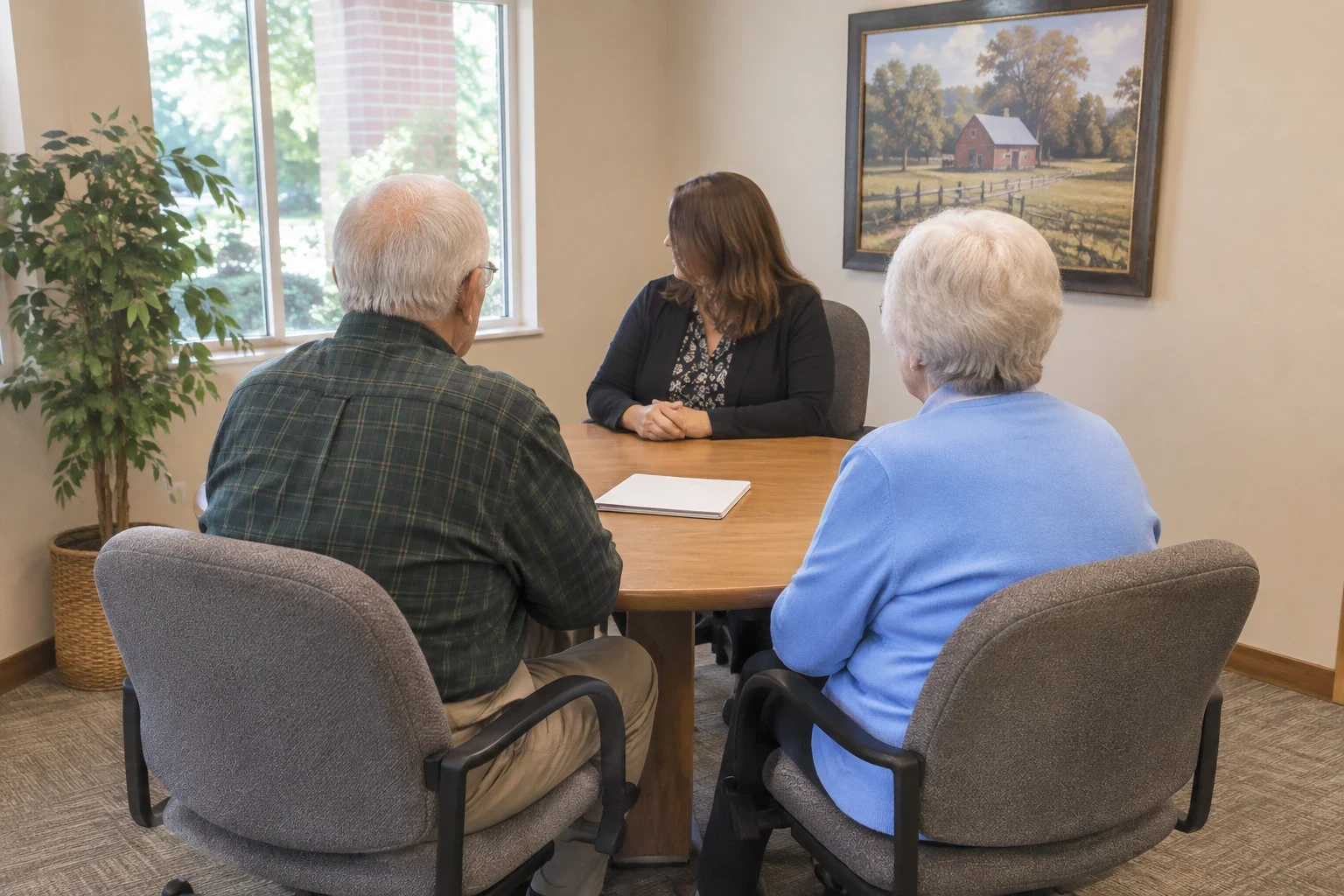
What a reverse mortgage does, and who it suits
Most reverse mortgages are Home Equity Conversion Mortgages, known as HECMs, a program backed by the FHA. If you are 62 or older with solid equity in your primary residence, a HECM lets you draw on that equity while you continue living there. No monthly mortgage payment is required. Interest and fees add to the balance over time, and the loan is settled once the last borrower sells the property, leaves it permanently or dies.
Title stays with you. So do the ongoing duties: property taxes, hazard coverage, any HOA dues and keeping the place in reasonable shape. Let those lapse and the lender can call the loan, a detail that deserves more attention than it usually gets.
We start with a full look at your situation: income, what you owe now, how the monthly budget holds up and what you hope to pass on. Sometimes our honest finding is that a mortgage refinance or a HELOC does the job better, and we will tell you that directly.
What our reverse mortgage work includes
- A careful financial review
- We go through your income, monthly bills, current loan balance, and the cost of property taxes and coverage. You get a written summary of our findings before any recommendation.
- Each payout option, compared
- A HECM can pay out as a lump sum, fixed monthly amounts, a credit line or a mix of these. We set them side by side so you can see what each provides today and what it leaves in reserve.
- Help arranging HUD counseling
- Under federal rules, every applicant first meets with a counselor approved by HUD who works independently of any lender. We explain what that meeting covers and help you find a counselor, though we take no part in the session.
- Appraisal, title and closing coordination
- We order the FHA appraisal, work with the title company and walk you through every closing document well before the signing date.
- Planning for a spouse and heirs
- We explain how the loan treats a younger or non-borrowing spouse, and what choices your heirs will have later on.
When a reverse mortgage deserves a closer look
Your current payment pinches a fixed income
If retirement income no longer covers as much as it used to, reverse mortgage proceeds can pay off the existing loan and end that monthly payment.
You expect to stay for the long run
Upfront costs are easiest to justify over many years of living in the property. If you think you may relocate soon, we will point that out plainly.
You want funds set aside for later
An untouched HECM credit line can grow over the years, leaving a reserve for medical costs or larger bills down the road.
You are downsizing or moving near family
A HECM for Purchase lets you buy a new primary residence, in Covington or nearby in Conyers or Monroe, by putting more down and then making no monthly mortgage payment.
How the process runs
- 1
Free consultation
We talk in person at our office, or over the phone or video if that is easier. You tell us what you want the loan to do, and we collect the figures for an honest first look.
- 2
Independent counseling
You complete the required session with a HUD-approved counselor. Bring your questions; the counselor represents you, not a lender.
- 3
Application and appraisal
We assemble the application, confirm income and property charges, and order the appraisal. You see what we learn, including anything that might shift the numbers.
- 4
Review of the final terms
Before closing, we sit with you, and family if you wish, and read through the loan estimate one line at a time.
- 5
Closing and right to cancel
After you sign, most reverse mortgages carry a three-day window to cancel. Funds are released once that window closes.

What shapes the cost and the amount you can draw
Every reverse mortgage carries costs, and you will see each of them on paper before anything is signed. Much of it can be financed into the loan rather than paid at closing. Financing it still trims the equity left to you, so we show you the numbers both ways. These are the factors that weigh most.
- The youngest borrower's age
- Proceeds are tied to the age of the youngest borrower or eligible spouse. As that age rises, the share of equity available to you generally rises with it.
- Appraised value and the FHA limit
- Your draw is calculated from the appraised value, capped at the FHA lending limit in effect that year.
- Rate type and how you take funds
- A fixed rate usually comes with a single lump sum. An adjustable rate opens up monthly payments or a credit line. The rate shapes both what you receive and how quickly the balance climbs.
- What you still owe today
- Any existing mortgage has to be cleared at closing. The higher that payoff, the smaller the amount left for you.
- FHA premium and closing charges
- The upfront and annual FHA mortgage premium, origination, appraisal and title fees all count. We list every charge on its own line.
Reverse mortgage questions we hear often
Something not covered here? (770) 874-4469
Does the lender take ownership of the property?
No. Title remains in your name for as long as the loan is in place. The lender records a lien, the same way any mortgage does, and that lien is released once the balance is paid.
What if I end up owing more than the property is worth?
HECMs are non-recourse. When the property is sold, neither you nor your heirs are responsible for more than its value. The FHA program absorbs any shortfall.
Is there any way to lose the property?
Yes, if the loan terms are not kept. Unpaid property taxes or hazard coverage, upkeep that slides badly, or living elsewhere for over twelve consecutive months can all trigger repayment. During our review we test whether those ongoing costs sit comfortably in your budget.
What about a spouse who is not on the loan?
An eligible non-borrowing spouse can often stay in the residence after the borrower dies, as long as certain conditions are met. Those rules are precise, so we go over them with both of you before anything is filed.
Can our children keep the property afterward?
They can. Heirs may pay off the balance, often through a new loan or their own funds, and keep it. Or they can sell, settle the loan and keep whatever equity remains.
Start with a clear look at your numbers
Tell us about your income, your current loan and your plans. We will review it carefully and give you a straight answer on whether a reverse mortgage makes sense.